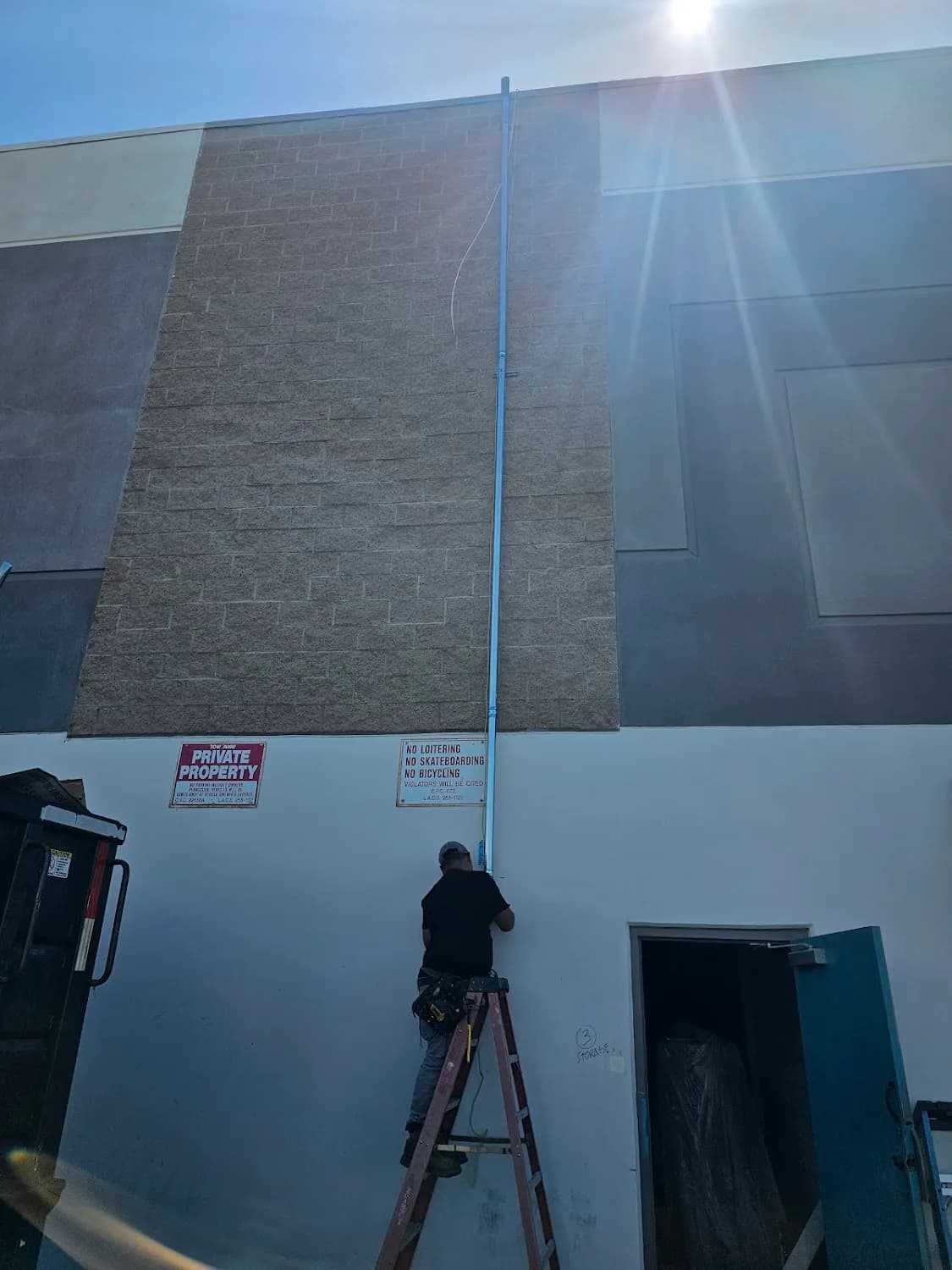
Most commercial and industrial electrical systems should get a preventative maintenance inspection at least once a year. Critical or heavily loaded equipment may need it more often, and lightly used equipment in good condition may stretch longer between visits. NFPA 70B, the national standard for electrical equipment maintenance, ties inspection intervals to equipment condition and criticality rather than one fixed schedule. A good program includes visual inspection, infrared thermal scanning, tightening connections, testing protective devices, and keeping records.
Last updated: November 2026
What is NFPA 70B, and does it apply to my building?
NFPA 70B covers maintenance of electrical equipment in commercial and industrial facilities. With its 2023 edition it changed from a recommended practice to a standard, which raised its profile with insurers, safety managers and facility owners. It sets a framework: assess each piece of equipment's condition, then service it on an interval that matches that condition. Your insurer or corporate safety policy may reference it directly.
What does a commercial electrical maintenance visit include?
- Infrared thermography: a thermal camera finds hot spots from loose or failing connections before they fail.
- Visual inspection of panels, switchgear, disconnects and transformers for damage, corrosion and dust.
- Torque checks on terminations, since connections loosen with thermal cycling and vibration.
- Breaker and protective device testing on critical circuits.
- Cleaning, since dust buildup is a real issue in the Antelope Valley's windy, dusty conditions.
- Written records of findings and corrective actions.
Why does Southern California's climate matter for commercial equipment?
Heat is hard on electrical gear. Antelope Valley summers regularly reach the high 90s°F, and warehouses and manufacturing floors can run hotter inside. Heavy AC and process loads during heat waves push equipment harder at exactly the time failure is most costly. High desert wind also drives fine dust into enclosures. Scheduling an inspection before summer, or after the windy season, catches problems at the right time.
What happens if you skip maintenance?
Loose connections heat up, heat breaks down insulation, and eventually something fails, often during peak load. That can mean an unplanned shutdown, damaged equipment, a fire risk and a bigger repair bill than the maintenance would have cost. Our post on why businesses rely on a licensed electrical contractor covers more on reducing downtime.
How does B&M handle commercial maintenance?
We set up preventative electrical maintenance programs based on your equipment and how critical it is, and we handle manufacturing facility electrical maintenance and warehouse electrical services across the Antelope Valley, Santa Clarita and the San Fernando Valley. B&M Electrical Services has 30+ years of experience as a licensed California contractor (C-1098584).
Frequently Asked Questions
Is infrared scanning really worth it?
For most commercial sites, yes. It finds hot connections you can't see with a visual check, without shutting equipment down for the scan itself.
Do you have to shut down power for maintenance?
Some tasks, like torque checks and cleaning inside gear, require a scheduled shutdown. We plan those around your operating hours to limit disruption.
Can you work with our insurer's requirements?
Yes. Share your insurer's or safety team's requirements, and we'll build the inspection scope and records around them.
Set up a maintenance program for your facility. Call Us Today for a Free Estimate at (661) 904-9377 or schedule your service online.